
Trusted FMCG Logistics Company in India
FMCG businesses face stockouts, inventory mismatches and rising delivery costs due to high demand and complex distribution networks.
IPISPL, an experienced FMCG logistics company in India, integrates warehousing, inventory management and transportation to improve stock visibility, speed up replenishment and support reliable distribution across Tier 1, 2 and 3 markets.
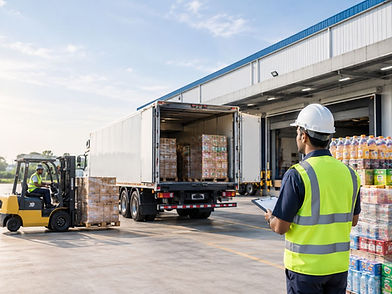
FMCG Distribution That Keeps Products Moving
FMCG logistics demands frequent replenishment, accurate stock rotation and timely deliveries across a wide retail network. IPISPL supports high-volume distribution with demand-led inventory placement, batch-level stock tracking and coordinated primary and secondary transportation. Our technology-enabled operations help FMCG brands reduce dispatch delays, improve stock visibility and serve distributors and retailers across diverse markets.
Locations
60+
5,500+
Pin Codes
5M+sq. ft.
Warehousing
2000+
Truckloads/day
1.5M+
Packages/Day

Warehousing & Distribution
End-to-End FMCG Logistics Solutions for Your Business
High-volume FMCG distribution requires fast replenishment, accurate inventory control and reliable deliveries across multiple markets. IPISPL integrates warehousing, inventory management and transportation to help brands manage daily demand and seasonal peaks.
FMCG Warehousing & Distribution
Ambient warehousing, distribution centres and built-to-suit facilities for high-volume stock movement & distribution
Inventory Visibility & Control
SKU-, barcode-level tracking with stock reporting to improve inventory accuracy and replenishment
Multi-modal Transportation
Coordinated transportation from manufacturing facilities to distribution hubs, stockists and retailers
Order Fulfilment & Retail Distribution
Order processing and dispatch coordination to support timely deliveries and product availability
Technology-Enabled Logistics
WMS, TMS, vehicle tracking and MIS reporting for improved stock visibility and shipment monitoring
Seasonal Capacity Planningstoms
Flexible warehousing and transportation capacity to manage demand fluctuations, and seasonal sales peaks
Recognised Standards for Reliable FMCG Logistics
FMCG supply chains depend on dependable operations, workplace safety and regulatory compliance to keep products moving efficiently. IPISPL holds the National Supply Chain & Logistics Excellence Award, CII Scale Award and Government of India Customs Broker Licence, alongside ISO 9001:2015 and ISO 45001:2018 certifications, backed by 7+ years of certified quality and safety management systems.
These credentials reflect our focus on structured, accountable logistics operations that help FMCG businesses manage distribution with greater confidence.

Technology-Enabled FMCG Logistics for Faster Distribution
FMCG supply chains need accurate stock rotation, fast order processing and reliable deliveries to prevent stockouts and excess inventory. IPISPL combines WMS, TMS, vehicle tracking and MIS reporting to improve visibility across warehouses, distribution hubs and delivery routes.
Batch & Stock Rotation
Track SKU, and barcode-level inventory to support stock rotation, traceability and timely replenishment
Warehouse Operations
Monitor stock movement, picking, order processing and dispatch to manage large volumes efficiently
Multi-modal Transport Tracking
Monitor shipments from manufacturing plants to distribution hubs, then to stockists and retailers
Route & Delivery Monitoring
Use TMS and vehicle tracking to follow vehicle movement, and monitor delivery status
Distributor Visibility
Track stock to help coordinate replenishment across regional distribution networks
How IPISPL Solves FMCG Logistics Challenges
Managing high-volume FMCG distribution across multiple markets can lead to stockouts, replenishment delays and rising delivery costs. IPISPL provides integrated FMCG logistics solutions backed by a pan-India network, WMS/TMS-driven inventory tracking and high-volume secondary distribution.
From improving stock visibility to coordinating faster replenishment across distributors and retailers, we help FMCG businesses strengthen distribution efficiency, reduce delivery delays and maintain product availability across markets.

FMCG Logistics for Diverse Product Categories
Different FMCG categories have different distribution needs, from frequent replenishment of everyday essentials to careful handling of personal care and household products. IPISPL helps businesses coordinate warehousing and distribution based on product volumes, delivery frequency and market requirements.

Food & Packaged Goods

Coordinate high-volume stock movement and frequent replenishment to support distribution across retail channels

Personal Care & Beauty
Manage inventory and product distribution across warehouses, distributors and retail outlets

Home Care Products
Support the storage, handling and transportation of household cleaning and everyday-use products

Beverages
Coordinate bulk shipments and regional distribution to support frequent replenishment across sales networks

Health & Hygiene
Manage inventory visibility and distribution for essential hygiene and personal care products

FMCG Brands
Coordinate diverse product inventories and distribution requirements across multiple regions and sales channels

Why Choose IPISPL as Your FMCG Logistics Partner?
Pan-India Distribution Built for High-Volume FMCG Demand. IPISPL combines 14+ years of logistics experience with 5M+ sq. ft. of warehousing, 60+ locations and coverage across 5,500+ PIN codes. Our integrated 3PL solutions support FMCG businesses with warehousing, inventory tracking, primary and secondary transportation, and distribution across diverse markets.
With WMS/TMS-enabled visibility, batch-level inventory tracking and capacity planning for seasonal demand, we help FMCG brands coordinate replenishment, manage high-volume shipments and improve delivery reliability across distributors and retailers. Partner with IPISPL to build a more responsive, scalable FMCG supply chain.
Ready to Improve Your FMCG Distribution Performance?
As an experienced FMCG logistics company in India, IPISPL supports high-volume distribution through pan-India warehousing, WMS/TMS-driven inventory tracking and coordinated primary and secondary transportation. Strengthen stock visibility, speed up replenishment and manage seasonal demand with one integrated 3PL partner.
Frequently Asked Questions
1. Who provides the best logistics solutions for FMCG companies in India?
The best logistics partner depends on your distribution network, shipment volumes, service requirements and budget. IPISPL provides integrated 3PL solutions combining warehousing, inventory management, primary and secondary transportation, and nationwide distribution to help FMCG businesses manage high-volume operations.
2. How can FMCG companies reduce logistics costs without affecting delivery performance?
FMCG companies can control costs by improving vehicle utilisation, planning efficient delivery routes, positioning inventory closer to demand and reducing unnecessary stock transfers. IPISPL coordinates warehousing and transportation through an integrated logistics model to help businesses improve distribution efficiency.
3. How can FMCG brands prevent stockouts across multiple distributors and retail markets?
Stockouts often occur when inventory is not available at the right distribution point or replenishment is delayed. IPISPL supports SKU-, batch- and barcode-level inventory tracking, along with coordinated primary and secondary distribution, to improve stock visibility and replenishment planning.
4. Can a 3PL provider help FMCG companies manage seasonal demand spikes?
Yes. FMCG demand can increase during festivals, promotional campaigns, and seasonal sales periods. IPISPL helps businesses plan warehousing and transportation capacity around changing shipment volumes, supporting more flexible distribution during peak periods.
5. How can FMCG companies improve distribution to Tier 2 and Tier 3 markets?
Serving smaller cities and regional markets requires coordinated transportation and reliable stock availability at distribution hubs. With coverage across 5,500+ PIN codes, IPISPL helps FMCG businesses coordinate distribution across diverse markets in India.
6. What should FMCG companies consider when choosing a third-party logistics provider?
Evaluate the provider's warehousing network, transportation capacity, inventory tracking, technology systems, geographic coverage, and ability to handle fluctuating volumes. IPISPL combines 5M+ sq. ft. of warehousing, 60+ locations and WMS/TMS-enabled operations to support diverse logistics requirements.
7. How can FMCG companies improve coordination between primary and secondary transportation?
Poor coordination between factory dispatches, regional warehouses and retailer deliveries can cause delays and excess inventory at certain locations. IPISPL coordinates primary transportation from manufacturing facilities to distribution hubs and secondary transportation to stockists and retailers.
8. Can FMCG companies outsource logistics without investing in their own warehousing infrastructure?
Yes. Outsourcing can help businesses access logistics infrastructure and operational expertise without independently building and managing every facility. IPISPL offers warehousing, distribution and transportation solutions, including built-to-suit facilities aligned with business requirements.
9. Which performance metrics should FMCG companies monitor to evaluate logistics efficiency?
Useful metrics include on-time delivery, order fulfilment rates, inventory accuracy, dispatch accuracy, transportation cost per shipment and stock ageing. IPISPL's WMS, TMS, vehicle tracking and MIS reporting support operational visibility and performance monitoring.
10. How can an FMCG company get a customised logistics proposal from IPISPL?
Share your product categories, shipment volumes, warehouse locations, distribution destinations, delivery frequency and seasonal requirements. IPISPL can use these details to assess your needs and discuss a suitable combination of warehousing, inventory management, primary and secondary transportation, and distribution services.